Before You Raise Money for a Music School, Ask What the Capital Is Really Solving
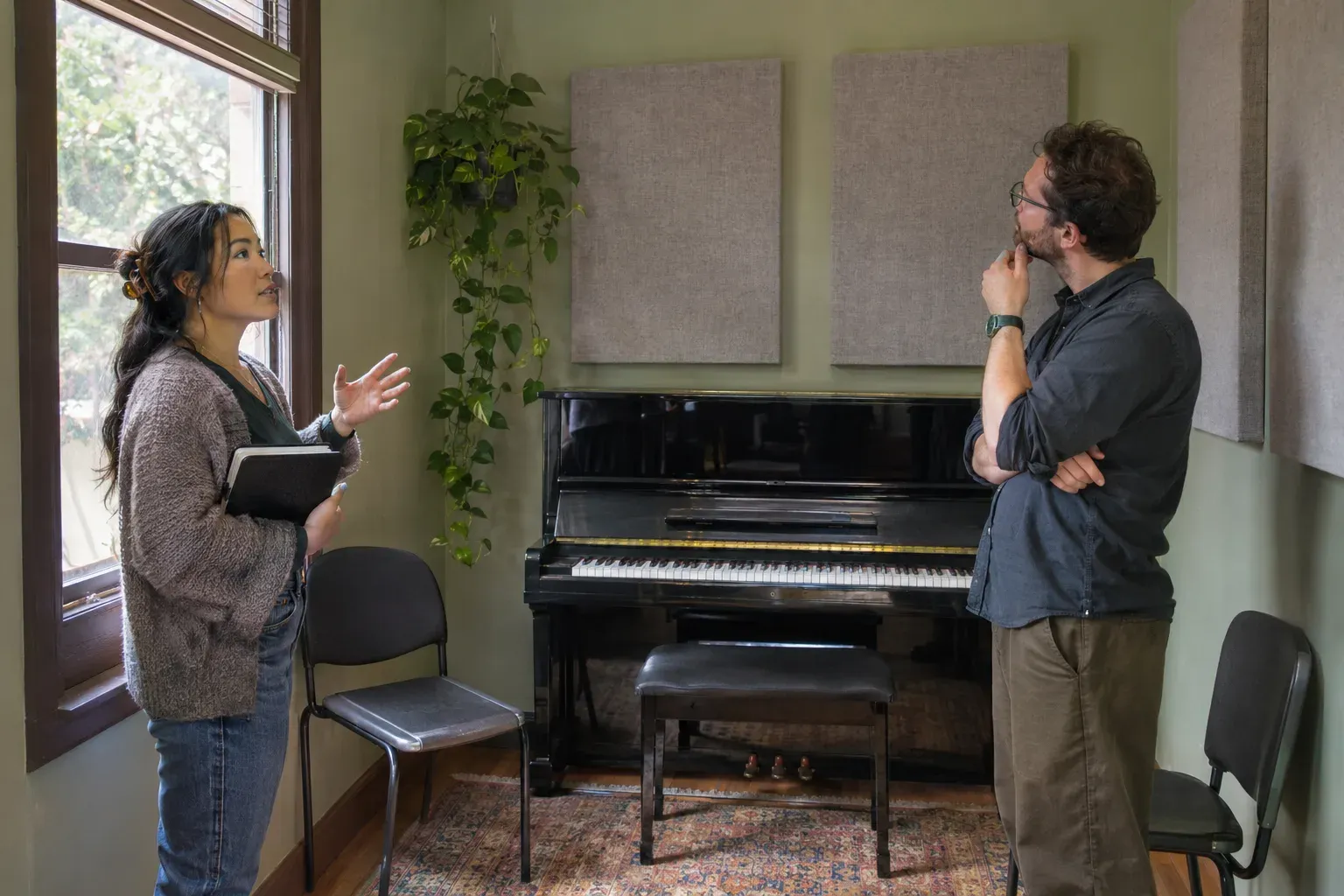
Music schools can be capital-intensive. Building out teaching rooms, investing in sound isolation, hiring ahead of demand, or opening another location can require cash well before the first tuition payment arrives. I’ve been involved in raising private money to build and expand a school, and the experience made me respect how much ownership and financial flexibility matter.
For an owner serving 100–500 students, the next stage can feel close enough to reach and expensive enough to need help. Fundraising can create opportunity. It can also make an already difficult business harder if the operating model isn’t ready. Before choosing a funding source, get clear about the problem the money is supposed to solve.
1. Is this growth capital or survival capital?
If you have consistent demand, a repeatable way to enroll students, and a location that earns enough to cover its real costs, financing may have a clear purpose. Perhaps families are waiting for after-school piano slots, your teachers can take more students, and another teaching room would let you serve that demand.
Check the constraint carefully. A full Tuesday afternoon does not necessarily mean you need a bigger building. Look at demand by instrument, teacher, and time of day. Extra rooms will not solve a shortage of available teachers or a schedule families cannot use. A waitlist is useful evidence, but it is not the same as committed enrollment.
If the school routinely needs new money to cover payroll or rent, the urgent work may be pricing, enrollment, expenses, collections, or a plan to stabilize the existing business. A temporary cash gap and an ongoing operating loss are different problems. Financing may help bridge the first; it does not make the second disappear. Include a realistic cost for the work you do as an owner, even if you currently pay yourself very little.
2. What precisely will the money buy?
“Expand marketing” or “open a second location” is not a use-of-funds plan. List each expense, when the cash leaves the business, the estimate behind it, and the milestone it should unlock. Separate one-time opening costs from the monthly costs you will carry while enrollment builds.
- Space: deposits, buildout, sound isolation, permits, and rent before opening.
- People: recruiting, training, management coverage, and payroll before the schedule fills.
- Equipment and launch: instruments, furniture, systems, marketing, and trial lessons.
- Runway and contingency: operating cash for the enrollment ramp, plus room for delays and unexpected costs.
Tie spending to capacity you can actually sell. Two new rooms create lesson capacity only when teachers and families are available at the same times. Translate those hours into an enrollment ramp using your own inquiry, trial, conversion, and retention history. Label assumptions clearly; projections are not guaranteed outcomes.
3. Can the business survive a slower ramp?
Model a base case, a conservative case, and a genuinely uncomfortable case. What happens if enrollment takes twice as long as hoped, construction finishes late, or a key teacher leaves? Put rent, payroll, loan payments, and expected cash collections on a monthly timeline. Include seasonal enrollment changes rather than assuming every month behaves like September.
For example, if a second location reaches your target in twelve months instead of six, how much more cash will it need? How much would come from the original school, and what would that leave for its own payroll and obligations? Moving existing students to the new location may help it fill, but those transfers are not all new revenue for the business.
Decide in advance what would trigger a pause in hiring, a smaller next phase, or a reassessment of the expansion. Set those checkpoints while you still have choices. Cash timing often matters as much as eventual profitability: a location can look attractive at full enrollment and still run out of money getting there.
“Raise capital for a specific, tested advantage—not because a spreadsheet needs a miracle.”
4. What does this source of money ask in return?
Compare the obligations attached to the money, not just the amount available. The right fit depends on your cash flow, risk tolerance, plans for the school, and willingness to share decisions.
- Equity investment: May not require scheduled loan payments, but gives up a share of ownership and may involve governance rights, distribution expectations, or pressure for an eventual sale.
- Debt: Generally preserves equity but adds repayment obligations. Interest, collateral, personal guarantees, and other terms can affect both business cash flow and personal risk.
- Grants, sponsorships, or community support: May fit particular programs, but eligibility, restrictions, and availability vary. Do not build recurring payroll around support that has not been committed or cannot be used for that purpose.
- Self-funding or phased growth: Can preserve more control and limit the cost of a wrong assumption. It may be slower, and using your own savings still puts that money at risk. Consider whether one additional room or a smaller program launch can test demand before a larger commitment.
Review financing terms, tax treatment, securities requirements, and personal guarantees with qualified legal and financial advisers in your jurisdiction before accepting money. For U.S. owners, the SBA’s funding overview and the SEC’s guide to raising capital from investors provide starting points for those conversations.
5. What happens after the opening?
A good plan names who will manage the growth while the existing school keeps running. If every staffing decision, parent concern, and billing exception still comes to you, another location may stretch your attention before it improves the business.
Agree on what investors or lenders will receive and how often: cash reporting, enrollment progress, results by location, or other reports required by the financing terms. Make decision rights and the effect on existing owners explicit. Discuss what happens if targets are missed, more money is needed, or an owner wants to leave. Those conversations are easier before the funds arrive.
Before approaching a funder, put the plan on one page: the bottleneck, evidence of demand, use of funds, cash needed under a slower ramp, and the person responsible for execution. Support it with detailed estimates and a cash forecast. If the explanation still depends on everything going right, keep working on the plan.
If I could leave another school owner with one principle, it’s this: raise capital for a specific, tested advantage—not because a spreadsheet needs a miracle.
If someone invested in your school tomorrow, exactly which operating bottleneck would that money remove?