Why music schools lose students even when the teachers are great
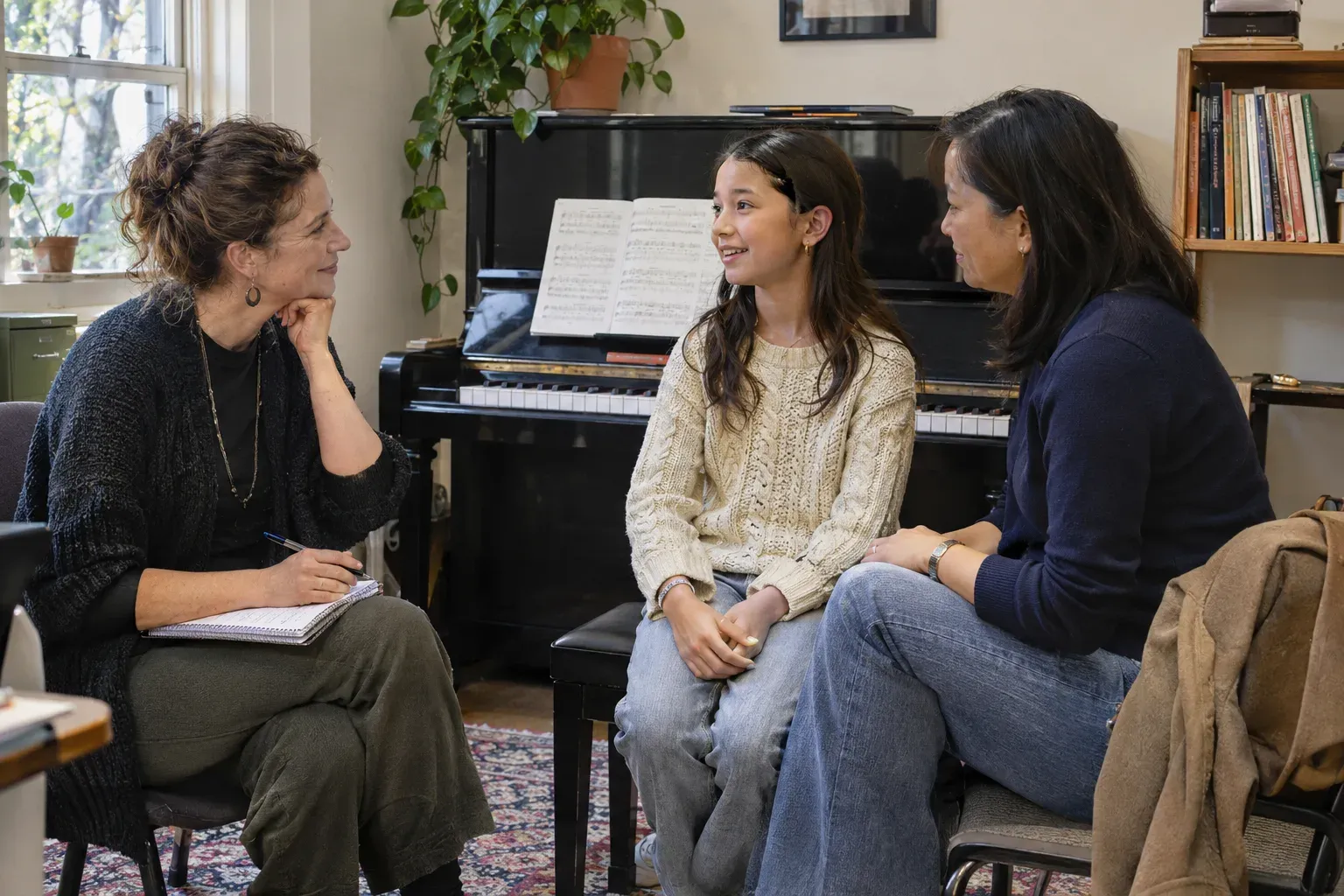
One of the more frustrating parts of running a music school is getting a cancellation from a family you thought was doing great.
The teacher likes the student. The student is making progress. Nobody has complained about anything. Then an email comes in saying they're going to stop lessons.
After running So i Heard for more than a decade, I've learned that a good lesson doesn't always translate into a great experience for the family. There's a lot happening outside those 30 or 60 minutes that influences whether someone decides to stay.
When I look at retention, I try to understand what the student and parent are experiencing over time, and whether there were signs we could have picked up before the cancellation.
Parents need to see progress
A teacher might spend weeks working with a student on chord changes, timing, or getting through a difficult section of a song. Then one day something clicks. The student plays it cleanly, and the teacher knows that's a big deal.
The parent might have no idea.
If they're sitting in the lobby or dropping their kid off, they don't see most of that work. They just see another tuition charge every month. Eventually, it's reasonable for them to wonder what their child is getting out of it, especially if the kid isn't practicing much at home.
I don't think every music school needs to turn lessons into a formal grading system. But I do think parents should have some idea of what their child is working toward and how they're progressing.
At So i Heard, we're putting more structure around this with student levels and periodic progress reports. The goal is to give teachers a shared way to communicate development and give families something concrete to look at. A quick note about a breakthrough or what to work on next can go a long way, too.
And for the student, having a clear next goal can be a lot more motivating than just showing up for another lesson.
Give students something to do with what they're learning
Private lessons are an important part of learning an instrument, but I want students to experience making music with other people, too.
Think about a kid who's been taking guitar lessons for two years. They might be improving, but if all they ever do is practice with their teacher, there's a good chance they'll eventually wonder what the point is.
Now give that student an opportunity to play in a band, perform at an open mic, or jam with another student around their age. Suddenly there's something to get excited about and a reason to practice that isn't coming from a parent reminding them.
We recently asked families at So i Heard what else they'd like from the school. More opportunities to play together came up, but many families didn't want the commitment of another weekly class. That's part of why we're adding things like open jams, masterclasses, and teacher office hours alongside our regular lessons.
I think these experiences can have a real effect on whether students stay interested. I'd still want to measure participation and retention before claiming they're the answer for every school.
The small administrative problems add up
Sometimes the issue has very little to do with music.
Maybe a family is confused about the make-up policy. Maybe they sent an email and didn't hear back. Maybe their regular teacher was absent a few times and nobody explained what was happening. None of those things automatically causes a cancellation, but each one gives a parent another reason to question the experience.
As an owner, it's easy to underestimate this because you tend to hear about the problem after the family is already annoyed. The first missed message or scheduling issue might never reach you.
I want the school to be reliable in the boring ways. Parents should know how to get help, what happens if they miss a lesson, and who is following up on an unresolved question. Good teachers deserve an administrative operation that supports their work.
Look for signs before someone asks to cancel
This is the part I think most schools could get much better at.
If a student who normally attends every week suddenly misses three lessons, I'd want someone to notice. If a family has several unused make-ups, or a student hasn't received a progress update in a long time, I'd want to know that, too.
Sometimes there's an innocent explanation. Maybe the family is traveling or the kid has been sick. But it's worth a check-in. A quick conversation might reveal that the lesson time no longer works, the student wants to try a different instrument, or they're just getting bored and need a new goal.
The problem is that this gets harder to do manually as the school grows. When you're managing hundreds of students, several teachers, and a busy calendar, nobody has time to review every attendance record looking for something unusual.
This is one of the problems Sam and I want Music School Manager to help schools address. Today, the team still needs to review attendance and decide which families need attention. Proactive alerts that notice those patterns for you are a direction we want to explore.
For example, I'd like a system to notify the team when a student starts missing lessons more frequently, when attendance drops across a particular program, or when a family has had repeated scheduling issues. The team could then decide on a next step, like checking in with the parent, offering a different time, or discussing a group program that might help the student get more involved.
Those suggestions can become assigned tasks or move into a follow-up pipeline so somebody actually owns the next step. Depending on the school's settings, the team can review the outreach before anything is sent.
I wouldn't want an AI system deciding that a family is unhappy because their kid missed two piano lessons. It's a signal for the staff to look into, and the teacher may have context the system doesn't. The useful part is catching a potential issue while there's still time to do something about it.
Find out why people leave, then change something
I'd also make a habit of reviewing cancellations. What reason did the family give? Were there attendance issues beforehand? Had the student stopped progressing? Was the schedule becoming inconvenient? Did we offer anything that could have addressed the problem?
Sometimes a family is moving, a student wants to focus on sports, or their priorities change. That's life. You're never going to prevent every cancellation.
But if you start noticing the same issues across several families, that's something you can work on. At So i Heard, recent parent feedback has already influenced how we're approaching progress reports, teacher access, and group opportunities. We'll be watching how families use those programs and what effect they have over time.
I think that's the real work of improving retention. You need to understand why students are losing interest, why parents might be questioning the value, and which parts of the experience are creating unnecessary frustration. Then you can make changes and see whether they actually help.
What's the most common reason families give when they cancel at your school? And do you usually see it coming?