What Managing 30 Music School Employees Taught Me About Growth
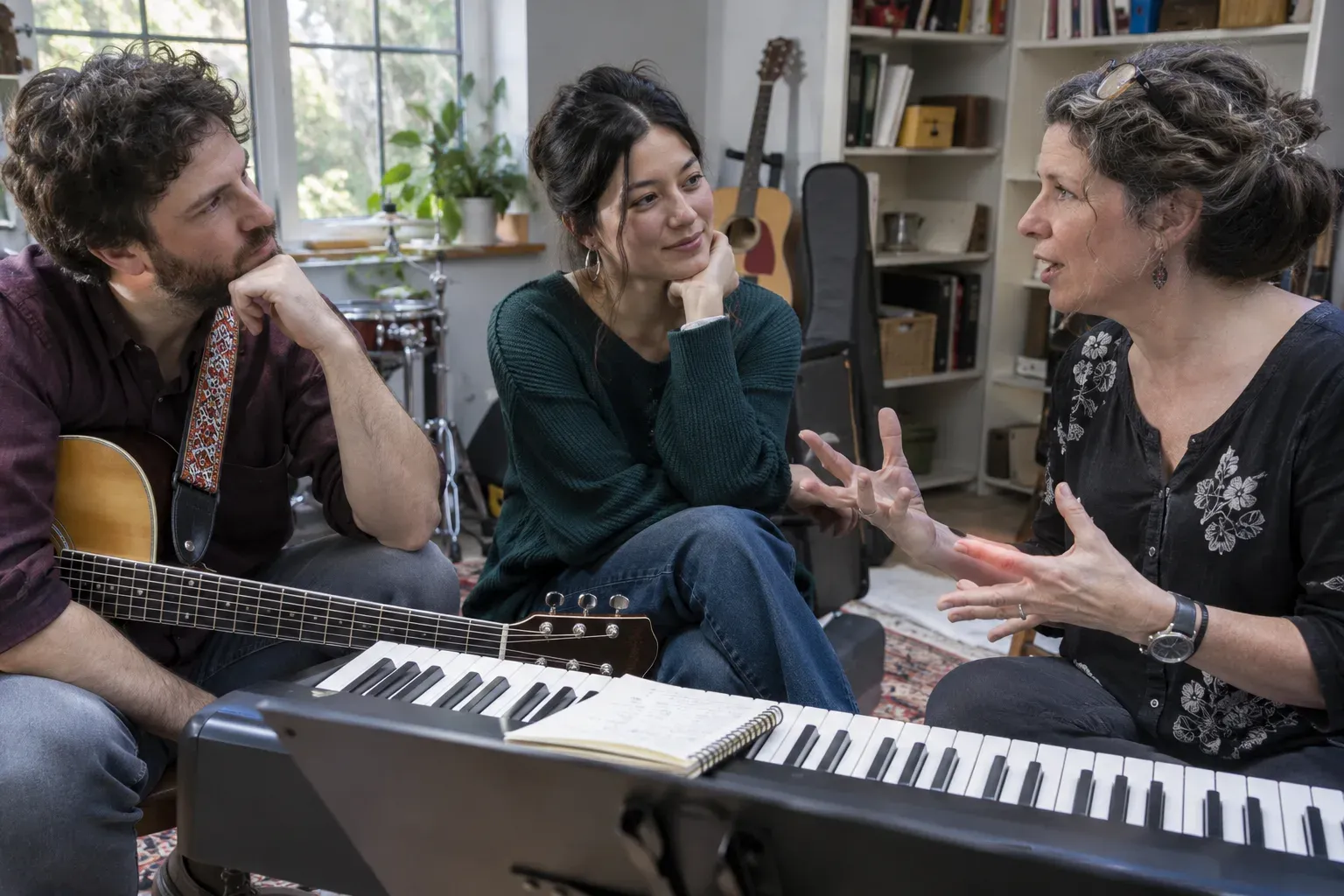
At one point, So i Heard Music had two locations and around 30 employees, most of them part-time music teachers. That sounds like a pretty good milestone for an independent music school, and it was. I'm proud of what we built.
But once you have that many people, you start to realize that running a bigger school is a different job from running a small one.
With a handful of teachers, you can get away with remembering everyone's schedules, talking through issues as they come up, and making most of the decisions yourself. With 30 employees, that approach gets messy pretty quickly. There are more students, more families, more schedule changes, and a lot more people who need clear answers and support.
One of my biggest takeaways is that growing a school isn't just about finding more students and hiring more teachers. It's about building the systems that allow those people to do great work, and making sure there's real value in being part of the school—for students, families, and teachers.
Great employees shouldn't have to make up for missing systems
I've worked with some fantastic front-desk staff and managers who could keep a ridiculous amount of information in their heads. They knew which family needed a callback, which teacher was looking for more hours, and how to handle every unusual billing or scheduling question.
That's a valuable skill, but it isn't a sustainable way to run a growing business.
If the right answer only exists in one person's head, everything gets harder when they're sick, on vacation, or no longer with the school. And when a new employee starts, they end up learning through trial and error instead of having a clear way to do the job.
I think the solution starts with documenting the things that happen all the time: trial booking, enrollment, scheduling changes, withdrawals, teacher absences, billing exceptions, and parent follow-up. Give each process an owner and make sure there's a visible next step when something can't be resolved immediately.
The instructions don't need to be fifty-page manuals. In fact, if they're that long, nobody's going to read them. They just need to be clear enough that somebody competent can do the job without asking the owner every five minutes.
Consistency and flexibility aren't opposites
Music schools are personal businesses. A student's goals, a family's schedule, and a teacher's approach all matter. I don't want a school where every lesson feels identical or every parent request gets a robotic response.
But flexibility works much better when everyone understands the normal rules.
If one employee gives a family a make-up lesson and another says the same request isn't allowed, you've created a problem for the staff and the family. The same goes for trial policies, tuition, cancellations, and scheduling.
Clear defaults give people confidence to handle the routine stuff themselves. They also make it easier to recognize the situations that actually deserve an exception.
To me, good systems should give the team more freedom to use their judgment, not less.
Give teachers structure without telling them how to teach
This is something I'm spending a lot of time thinking about at So i Heard right now.
Private music lessons are inherently personalized, which is one of their biggest strengths. But that can also make progress difficult to communicate. A teacher may know exactly how much a student has improved, while the parent just knows their kid has been coming every Tuesday for the past year.
We're introducing a six-level progression system across instruments, along with regular student progress reports. I want teachers, students, and families to have a shared understanding of where a student is, what they're working on, and what they're ready to try next.
The point isn't to dictate which songs teachers use or turn music into a standardized test. It's to give everyone a clearer sense of direction and make it easier to celebrate the progress that's already happening.
It's valuable for the teachers, too. Instead of being expected to figure out every aspect of a student's development on their own, they have a common framework to work from. They can still personalize the lessons, but they're not starting from zero every time.
And when a student reaches the level where they're ready for a band, a more advanced program, or a new challenge, that information can actually lead to something.
Give good teachers a reason to build their future with you
I think this part gets overlooked by a lot of school owners.
We spend so much time thinking about student retention, but teacher retention can have just as big an impact on the business. When a great teacher leaves, you're not only replacing an employee. You're potentially disrupting relationships that students and families have spent years building.
Pay matters, obviously. So do reliable schedules, communication, and respect for teachers' time. But I also think teachers need to see a path toward greater success at the school.
That doesn't mean everyone needs to become a manager. Plenty of excellent teachers have no interest in managing people. But maybe they want to build a fuller schedule, earn more by teaching specialty programs, lead bands, mentor newer instructors, develop curriculum, or become a senior teacher that others look to for guidance.
At So i Heard, we're expanding opportunities through teacher office hours, open jam sessions, masterclasses, and other programs that let instructors share more of what they're good at. These programs create more ways for students to engage with the school, but they can also give teachers new opportunities to contribute and grow.
I want teachers to feel like there's somewhere to go beyond teaching the same thirty-minute lessons forever.
And that needs to come with actual feedback. Teachers should know what's going well, where they can improve, and what opportunities might be available to them. Management should also be hearing from teachers about what's working, what students need, and where our systems are making their jobs unnecessarily difficult.
That two-way feedback is something I think every growing music school should make time for, even if it's just a regular check-in rather than a formal review process.
Better visibility shouldn't mean micromanagement
As the team gets larger, you need a better way to see what's happening without personally sitting in on every conversation.
I want to know which parent requests are unresolved, which teachers have available teaching hours, whether students are making progress, and where we're seeing recurring cancellations or scheduling problems.
I also want teachers and managers to have access to the information they need without chasing each other through texts, emails, and spreadsheets.
This is a big part of why Sam and I are building Music School Manager. We're working on bringing student levels, lesson progress, school policies, communication, and administrative tasks into one place. Automations can take care of repetitive follow-ups, and the school-aware agent can help with routine questions or make sure an unresolved issue gets assigned to someone.
The point isn't to replace thoughtful management or take control away from teachers. It's to give people better information, reduce the administrative work, and make it easier to do the things that actually help students succeed.
Bigger doesn't automatically mean better—or easier
I learned that lesson firsthand.
A larger school can bring more revenue, more teachers, more programs, and a lot more opportunity. But it can also create a lot more work for the owner if the business still depends on you to handle every exception and make every decision.
My goal now is to build systems that make it easier for the team to operate independently, while giving teachers more support and students a better experience.
I don't think the goal should be to run a school with the smallest staff possible, or to automate every interaction. I want a school where great people can do great work without spending half their time dealing with preventable problems.
And I want teachers to see a future there. Because the more stable, supported, and successful our teachers are, the better the experience tends to be for the students who learn from them.
After managing a team of that size, the biggest lesson I'd share is this: don't expect your people to compensate for systems that haven't grown with the business. Give them the structure, feedback, and opportunities they need to succeed.
I'm curious: What's one thing your teachers or staff still need to come to you for every single week?