Running a Lean Music School Without Cutting the Experience
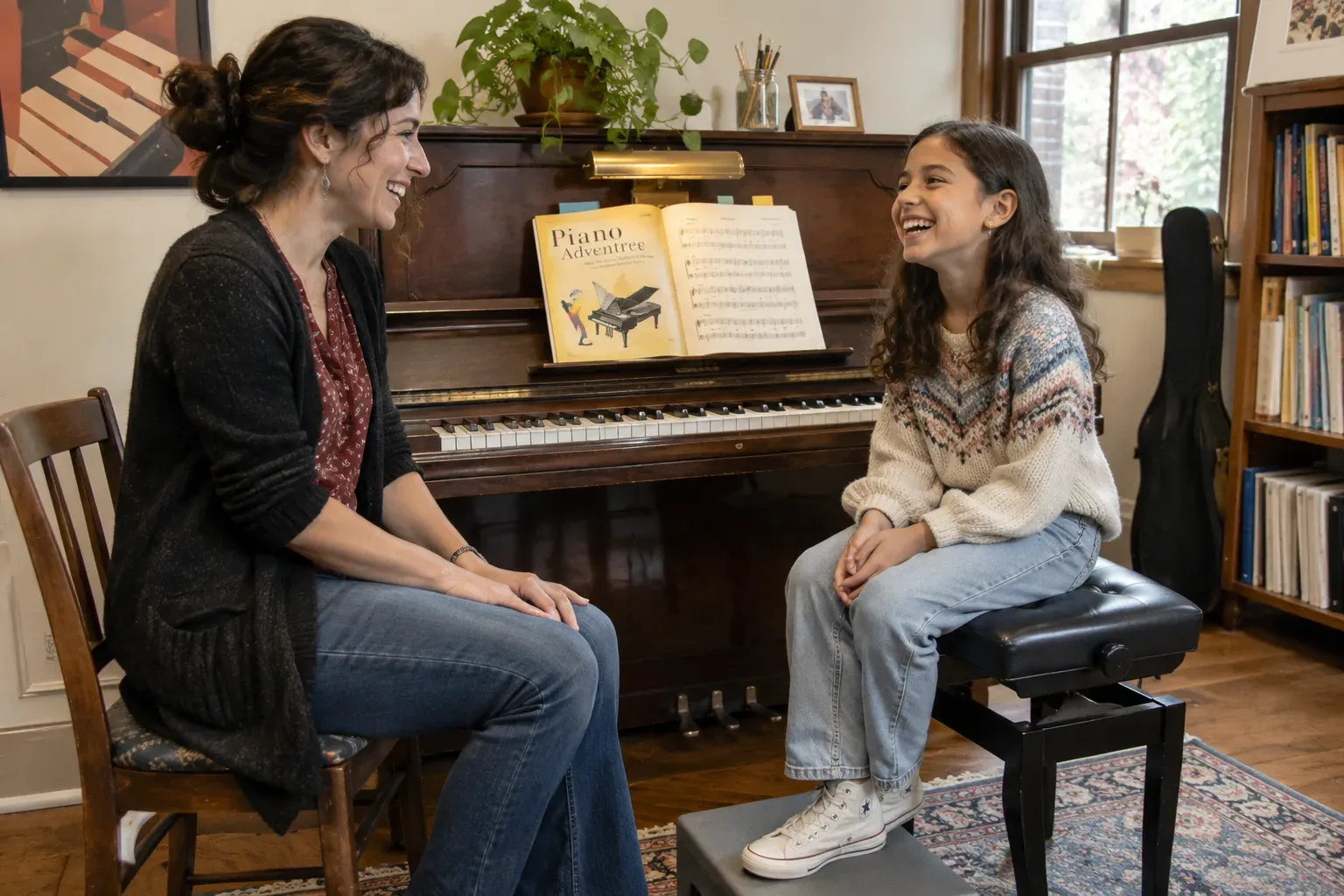
I've been running So i Heard Music since 2013, and I've spent a ridiculous amount of time thinking about how to make the numbers work without sacrificing what makes a music school great in the first place.
At our largest, we had two locations and around 30 employees. There was a lot I loved about that version of the business. There was also a lot of overhead, complexity, and work happening behind the scenes. After COVID, we had to rethink almost everything about how the school operated.
One thing I've learned is that the conversation about profitability is usually too simple. Raise tuition or cut expenses. Both can be necessary, but neither fixes a school that's inefficient at its core.
To me, running a lean school means being really intentional about where the money and time go. It doesn't mean making the experience feel cheap.
Don't cut the things families actually care about
Parents aren't sitting at home thinking about our payroll percentages or room utilization. They want their kid to love coming to lessons, make progress, have a teacher they connect with, and have a school that's easy to deal with.
That's the stuff worth protecting.
I've seen how much a great teacher relationship matters. If you save a little money on instruction but lose students because the experience suffers, what did you really save? The same goes for communication, scheduling, and the small things that make families feel taken care of.
Of course we need to watch expenses. But I try to separate what actually adds value from what just adds cost. They're not always the same thing.
Know what your teaching hours are actually worth
Total enrollment is an important number, but it doesn't tell the whole story. I've learned to look much more closely at what's happening inside the schedule.
How much tuition are we collecting for the teaching hours we're selling? What's the real cost of delivering those lessons, including teacher pay, payroll costs, and fees? How well are we using the rooms during the hours families actually want?
You can have a packed Tuesday at 5 p.m. and still have a lot of unused capacity elsewhere. And a program that looks popular can turn out to have pretty weak margins once you account for everything it takes to run it.
I don't think every program needs to have the same margin. Some add value to the whole school, help with retention, or lead to other enrollment. But I do think you need to understand the economics before deciding what's working.
Fix the work before hiring someone to do more of it
This one is huge.
In a music school, a surprising amount of administrative work comes from doing the same thing over and over. A parent changes their schedule, so someone updates the calendar, tells the teacher, adjusts a billing record, and sends a follow-up. A make-up lesson turns into five messages. A new family gives you information that someone has to re-enter somewhere else.
None of these things seems like a big deal on its own. Multiply them by a few hundred students, and suddenly you've created a full-time job out of little tasks.
I've been on both sides of the hiring decision. Sometimes you absolutely need another person, and good administrative staff can make a huge difference. But before adding headcount, I want to know whether we're actually overwhelmed by demand or just spending too much time on work that shouldn't exist.
Sometimes the answer is software. Sometimes it's a clearer policy, a better onboarding process, or an email template. Whatever the solution, the goal is to stop creating work for ourselves.
Get more out of the space you're already paying for
Rent doesn't change just because a room is empty for two hours. That's one reason I pay close attention to how we use our existing teaching space before thinking about expansion.
Of course, not every open hour is equal. Most kids are in school during the day, and there's only so much prime after-school time available. But there may be opportunities to fill gaps with the right teacher, group program, or type of lesson.
The same principle applies to staffing. Before adding another fixed expense, I'd rather see whether a scheduling change or a better process would solve the problem.
Expansion is exciting. I've done it. But more space, more staff, and more complexity aren't automatically signs of a stronger business.
Lean doesn't mean offering less
Something we're working on at So i Heard right now is adding more value through things like teacher office hours, open jam sessions, and clearer student progress reports. These are things I think can make the school a better place to learn music and give families more reasons to stay engaged.
They still take time and money to run, so the details matter. But I'd much rather find thoughtful ways to improve the experience than spend all my energy figuring out what else we can remove.
I also watch the numbers that don't show up directly as an expense: students leaving, teachers leaving, slow responses to families, cancellations, and the same problems popping up again and again. A change that makes this month's P&L look better but makes the school harder to deal with probably isn't much of a win.
After 13 years, my goal isn't to run the school with the fewest possible people. It's to build a school that can serve more students without creating a matching amount of chaos behind the scenes.
That's what lean operations means to me: less wasted work, a healthier business, and more time and money going toward the things that actually matter.
I'm curious: What's one task your school stopped doing that nobody misses?