If I Started a Music School Again in 2027, I'd Do These Five Things First
I've been building and running music schools since 2013. So i Heard Music grew from an idea into a business with multiple locations, dozens of employees, and a whole lot of lessons taught along the way.
If I were starting over in 2027, there are a few things I'd approach differently.
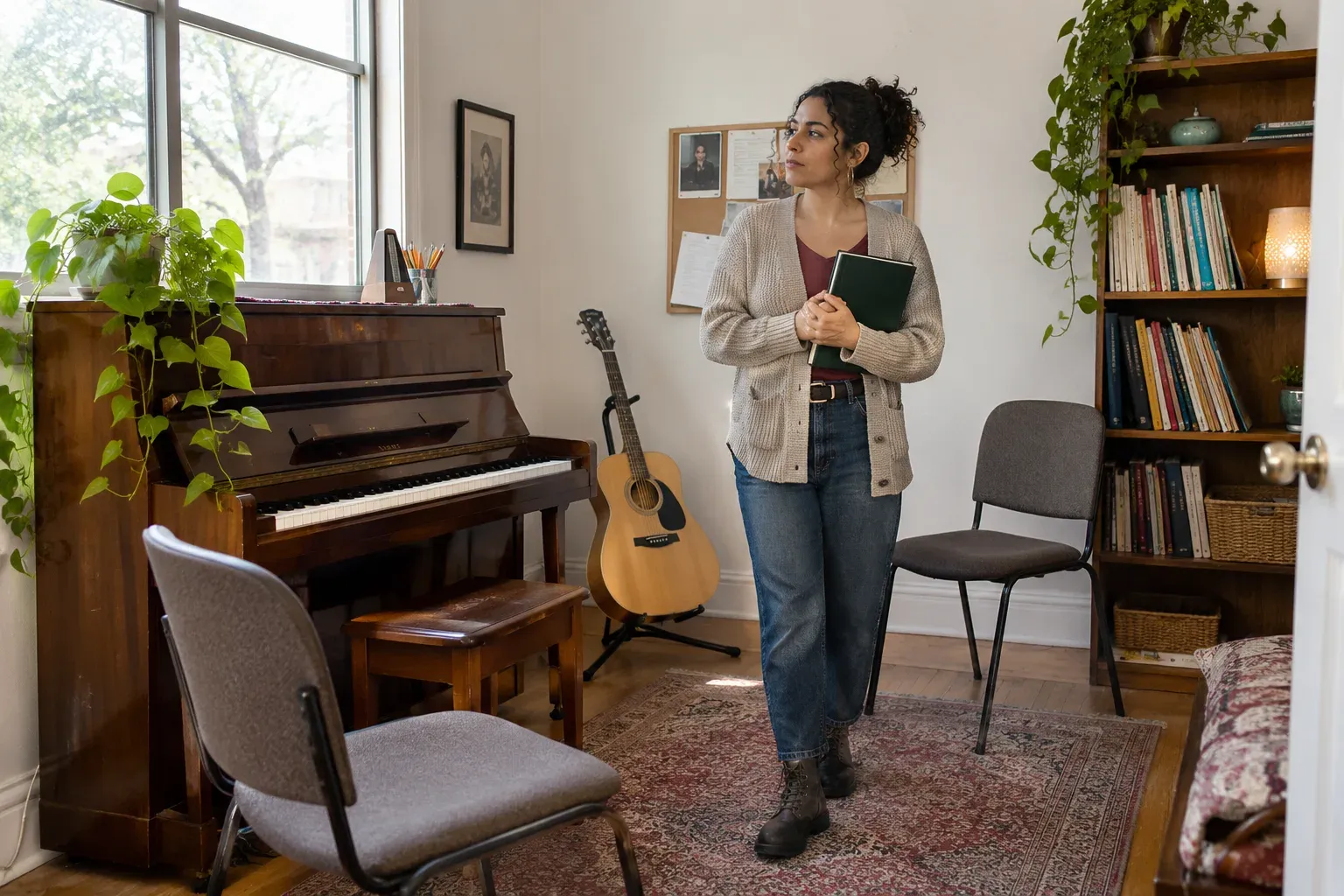
And this is coming from someone who genuinely enjoys designing music school spaces. I've spent a lot of time working on room layouts in CAD, construction plans, sound systems, and the details of making a studio look and feel great. That part is fun.
It's also very easy to get excited about building the school before you've proven the business underneath it.
Here's the order I'd follow if I were starting from zero today.
1. Test the market before signing an expensive lease
I'd start by picking a fairly specific area and testing two things: whether families want lessons there, and whether I can actually hire the teachers to deliver them.
The second part is just as important as the first. I've learned from expansion that having a lot of interested parents doesn't do you much good if you can't find qualified teachers who are available during the hours those families want.
I'd run some small Meta ad tests with a simple signup form to see what instruments and programs families are interested in. I'd also run real teacher recruiting ads at the hourly rates the school could afford to pay. Not vague posts promising "competitive compensation." I'd want to know who applies when the actual job, schedule, and pay are on the table.
Then I'd look for the overlap. If there's strong demand for piano on weekday afternoons but I can't recruit a piano teacher within a reasonable commute, that's something I want to learn before I'm paying rent every month.
I'd seriously consider a small space, shared facility, or limited schedule to start. A beautiful lobby is nice, but an empty room doesn't generate tuition.
2. Start with a simple program that families actually want
Music school owners can come up with an endless number of interesting programs. I know because I've done it.
Private lessons, bands, recording classes, songwriting, preschool music, workshops, summer camps, masterclasses. All good ideas in the right circumstances. But each one comes with its own scheduling, staffing, billing, and marketing work.
If I were starting again, I'd lead with a really strong private lesson program and make the experience easy to understand. Great teachers, convenient scheduling, a welcoming environment, and a clear way for students to make progress.
I'd also think about how to show families that progress from the beginning. Simple goals, teacher feedback, recitals, and a shared sense of what students are working toward are valuable. The family should know their child is growing as a musician, even if they don't know much about music themselves.
As enrollment grows, I'd add group opportunities that make sense for the students already there. Open jams, workshops, and bands can be fantastic, especially when students have reached the point where they're ready to play with others. But I wouldn't launch ten different programs before proving the core one works.
3. Work backward from the actual cost of a lesson
Pricing is one of those things that's easy to get wrong because the number you charge feels like the number you earn.
Let's say a family pays $250 a month for lessons. That isn't $250 of profit. You still have to pay the teacher, payroll costs, payment processing fees, rent, administration, marketing, and all the other expenses involved in running the school. You also need enough margin to deal with schedule gaps and the occasional unexpected problem.
I'd calculate how much tuition each occupied teaching hour produces, what it costs to deliver that hour, and how many hours I need to sell to cover the fixed expenses.
I wouldn't try to solve the math by paying teachers as little as possible. Good teachers are the business. You need to pay fairly and give them schedules they can count on if you want them to build a future with you.
I'd rather start with tuition that supports a great experience and a healthy business than charge too little, get busy, and discover that all the work isn't producing much income.
4. Build the enrollment process before spending heavily on marketing
One of the easiest ways to waste marketing money is to generate a bunch of leads and then do a lousy job following up with them.
I'd want every inquiry to have a clear path: someone responds, the family gets offered a real trial time, the trial is confirmed, and somebody follows up afterward to help them enroll. If a parent goes quiet, there's a reminder to reach back out.
That sounds simple, but it gets much harder once you're busy teaching, answering phones, handling schedule changes, and dealing with everything else that happens during the day.
This is part of why Sam and I built Music School Manager. The Pipelines and Automations tools help keep track of each prospective family from their first inquiry through enrollment, with routine follow-ups and reminders handled along the way. The built-in agent also knows the school's policies and information, so it can help with common questions and route things that need a person.
If I were opening a school today, I'd want that kind of system in place from the first lead. I wouldn't wait until I had a hundred students and a front desk overwhelmed by messages to figure out how we were going to manage it.
5. Make the first location run well before expanding
This is probably the biggest one.
Expansion is exciting. There's something satisfying about finding a new space, drawing up the plans, hiring the team, and imagining what the next location could become.
But before doing any of that, I'd want to know the first school has a model someone else could actually run.
That means documented policies, reliable billing and scheduling, a process for handling teacher absences, consistent parent communication, and a way to know whether students are making progress and staying enrolled.
I'd also want to understand the numbers: how many inquiries become trials, how many trials become students, how many students stay, how efficiently we're using teaching space, and whether the school is making enough money to support the next stage.
Most importantly, I'd want a competent manager to be able to run a normal day without needing me to answer every question.
If the business only works because the owner personally remembers every detail, opening a second location just gives you twice as many details to remember.
The order matters more than the individual steps
Looking back on everything I've learned, I think I'd spend a lot less time worrying about what the school will look like on opening day and a lot more time proving that the underlying business works.
Find a market with interested families and available teachers. Offer a program people understand and value. Price it so the economics work. Build systems that keep leads and families from falling through the cracks. Then expand when the first model is something you can repeat.
I'd still care about designing a great space. I'd still want students to walk in and feel excited to make music. That experience matters.
I'd just make sure I had the students, teachers, and operating model to support it before spending a fortune building it.
I'm curious: If you were opening a music school tomorrow, what's one thing you wouldn't spend money on until enrollment proved you needed it?